
About me
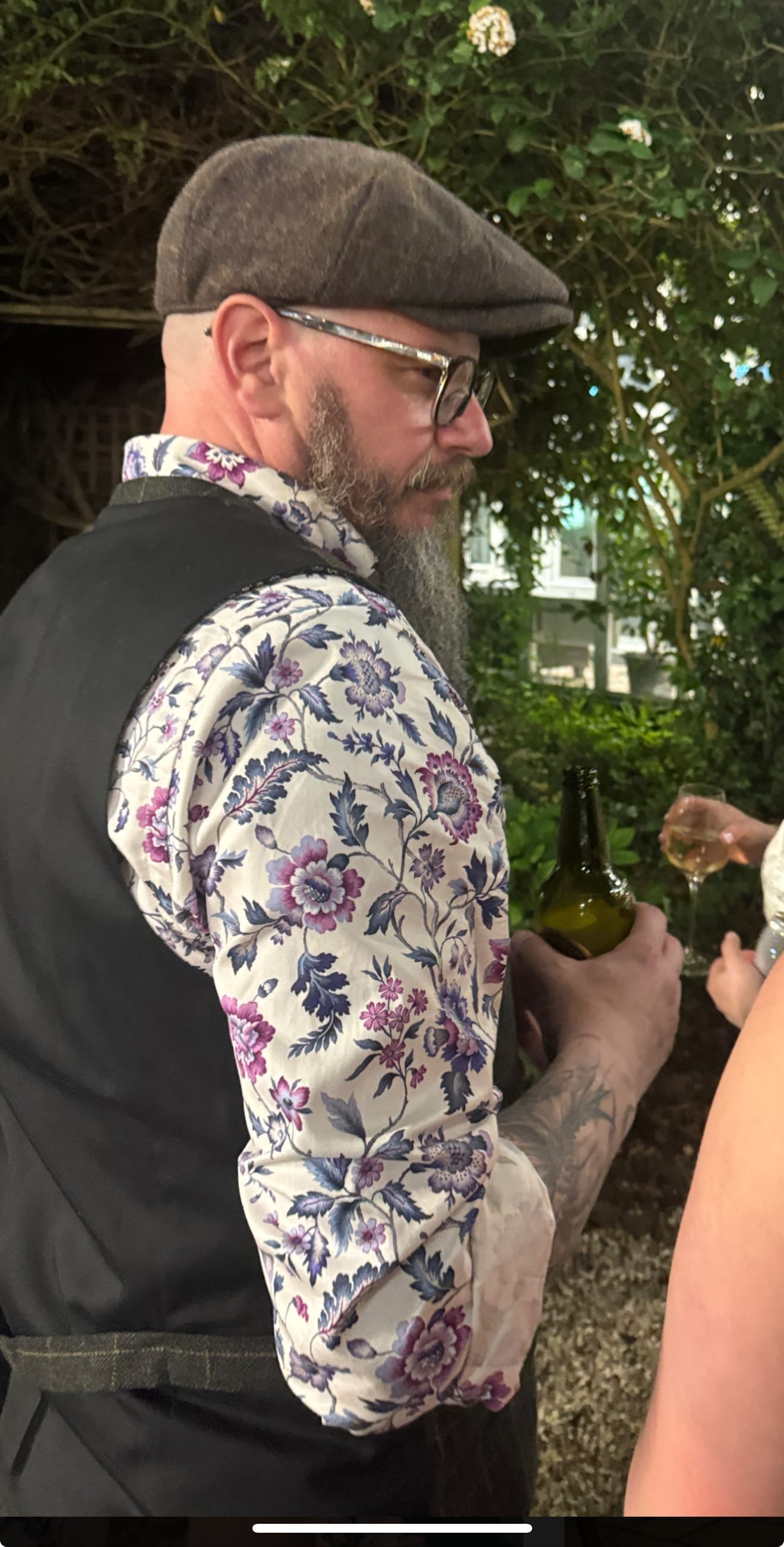
I'm JP, and I've spent decades watching people get blamed for something that is not their fault.
You've probably tried the usual advice, because it is everywhere and it is loud. Your feed tells you to post more, be consistent, network harder, push through, stop overthinking, sort your mindset out. It all sounds reasonable until you try it in a normal week and it falls apart, and then the advice quietly suggests the issue must be you.
That is the con. The plan is built for a life where nothing gets in the way.
If you've ever made a plan on Sunday night, felt strangely hopeful for about twelve hours, and then watched it die by Wednesday because a kid needed you, work ran late, a parent got ill, your health wobbled, or your brain simply refused to co-operate, you already know what I mean. You lose a day, then two, and you end up staring at your own notes like someone else wrote them. The plan did not fail because you are weak. The plan failed because it had no space for reality.
Here's the bit you actually want to know about me.
I'm not a "motivational" person and I'm not a hustle merchant. I've spent my life in the practical middle ground where ideas either survive contact with reality or they don't, and you find out quickly because there are bills to pay and people depending on you. I started my first business at 13, selling candle holders at school, and I never really stopped building things.
Since then I've worked across corporate, agency, start-up and consultancy. I've been the person brought in to "fix the messaging", "sort the brand", or "tighten the strategy", and I've also been the person on the hook for whether something actually works once the meeting ends. That means I've seen the same problems from both sides. I've also seen what happens in a lot of organisations when leadership says they want honesty and then flinches when it arrives. They want change, as long as it matches what they already believe. Watching that over and over is one of the reasons I'm so allergic to vague advice delivered with confidence.
I also know what it feels like when the thing you're building is not a vanity project. In 2007 my youngest son had infant reflux and there was no suitable solution available in the UK. I imported a wedge, it worked, and then other parents started asking where they could get one because they were exhausted, desperate, and arguing more than they wanted to admit. I created a UK version, and it turned into a real business that eventually became the largest global provider of infant reflux devices, supporting the NHS and other institutions. That business was not built on hype or personal branding. It was built on solving a real problem, dealing with real constraints, and making something that held up in the mess of everyday life.
I'm good at the story and brand side, but I'm not interested in pretty words for the sake of it. I can see what is actually being sold, what people are actually buying, where the logic breaks, and what will fall apart the moment life starts interrupting you. I can spot the hidden assumptions in a plan, the bits that only work on your best week, and the parts that are going to create shame because they set you up to fail.
My work is not about giving you more information. It's about giving you a method you can run in the life you already have, and then helping you apply it without me doing it for you.
The book is where I'm putting the argument down properly, in plain English, with no hype and no pretending. The Misfit Engine is the wider system behind that thinking, but it is still in build, so treat it as context for now rather than the main route.
If you are secretly worried that your inconsistency means you are not cut out for this, you can stop carrying that. You are not broken. You have just been trying to build using instructions written for someone else's life.